
- All
- Product Name
- Product Keyword
- Product Model
- Product Summary
- Product Description
- Multi Field Search
 English
Views: 0 Author: Site Editor Publish Time: 2025-12-30 Origin: Site


Choosing the right belt can be challenging. Each type serves a unique purpose.
In this article, we’ll explore Tactical, Battle, Gun, and Duty belts.
You’ll learn the key differences and which belt suits your needs best.
Belts play a crucial role in both tactical and everyday scenarios. They provide support, enhance functionality, and can even serve as a fashion statement. A well-chosen belt not only holds up your pants but also carries essential gear for various activities. Whether you're in law enforcement, military service, or simply enjoying outdoor adventures, the right belt is essential.
Here’s a brief overview of the main types of belts and their typical applications:
Belt Type | Common Uses |
Tactical Belt | Everyday carry (EDC), outdoor activities, low-profile tasks. |
Battle Belt | High-intensity combat, tactical training, and range work. |
Gun Belt | Concealed carry, open carry, and shooting ranges. |
Duty Belt | Law enforcement, security patrols, and professional tasks. |
Tactical Belts are designed for versatility. They’re often made of durable materials like nylon and feature quick-release buckles. These belts are ideal for everyday carry, allowing users to attach various gear, from tools to holsters.
Battle Belts are built for heavy-duty use. They typically include modular attachment systems like MOLLE, which enable users to customize their setup. These belts are essential for military personnel and those engaged in high-intensity tactical operations.
Gun Belts are specifically crafted for firearm support. They offer stiffness to prevent sagging and twisting when carrying a holster. Whether for concealed or open carry, these belts ensure your firearm remains secure and accessible.
Duty Belts are tailored for law enforcement and security professionals. They provide the necessary support for carrying various duty gear, such as radios, handcuffs, and batons. Their design prioritizes both functionality and a professional appearance.
In summary, understanding the different types of belts helps you choose the right one for your needs. Each belt serves a specific purpose, ensuring you have the right support and functionality for any situation.
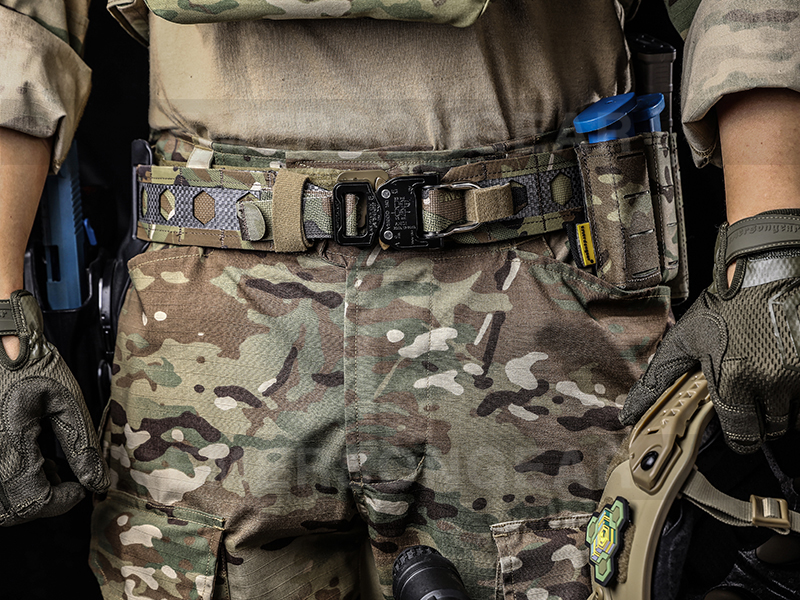
A tactical belt is a versatile piece of equipment designed for functionality and durability. It is primarily used in various situations, such as open carry, outdoor activities, and light-duty professional tasks. This type of belt is ideal for individuals who need to carry gear securely while maintaining comfort. Whether you are hiking, camping, or working in a security role, a tactical belt provides the support and accessibility you need.
Tactical belts are built from high-quality materials to withstand tough conditions. Here are some key features that set them apart:
● Material Composition: Most tactical belts are made from heavy-duty nylon or reinforced polyester. These materials ensure durability and resistance to wear and tear.
● Design Elements: Tactical belts typically have a width of 1.5 to 2 inches, providing a sturdy base for carrying gear. They often feature quick-release buckles, such as Cobra buckles, which allow for easy adjustments and secure fastening.
● Adjustability: Many tactical belts come in various sizes and offer adjustable options, ensuring a perfect fit for different body types.
● Attachment Points: Most tactical belts include multiple attachment points, enabling users to customize their setup with pouches, holsters, or other gear. This modularity enhances their versatility for different activities.
● Versatility and Comfort: These belts are designed for long wear, making them comfortable even during extended use. They balance functionality and ease, which is essential for outdoor enthusiasts and professionals alike.
When it comes to tactical belts, a few standout options are worth considering:
Product Name | Key Features | Intended Use |
Emersongear FRO Style Military Tactical Combat Belt | Made from high-quality durable fabric; designed for military and outdoor use. | Ideal for tactical missions and outdoor activities. |
Emersongear Cobra Buckle "Exoskeleton" Tactical Belt | Premium wear-resistant material; customizable fit for everyday carry (EDC). | Perfect for daily use and light-duty tasks. |
The Emersongear FRO Style Military Tactical Combat Belt is built for durability, making it suitable for rigorous outdoor activities. Its robust design ensures that it can handle the demands of military operations while providing comfort.
On the other hand, the Emersongear Cobra Buckle "Exoskeleton" Tactical Belt focuses on everyday carry. Its adjustable fit and premium materials make it a great choice for those who need reliability in their daily routine.
These tactical belts exemplify the balance of durability, functionality, and comfort, catering to various users’ needs.
A battle belt is a specialized piece of tactical gear designed for high-intensity situations. Its primary application is in combat and tactical training, where quick access to equipment is crucial. This belt is built to support heavy loads while allowing for easy customization, making it essential for military personnel and law enforcement officers.
In high-pressure environments, having a reliable battle belt can make a significant difference in performance and safety. It allows users to carry necessary gear, such as ammunition, medical supplies, and communication devices, efficiently.
Battle belts are engineered with specific features to enhance their functionality and comfort. Here are some key aspects:
● Material Specifications: Most battle belts are made from durable materials like CORDURA or Multicam fabric. These materials are known for their strength and resistance to wear, making them ideal for rugged use.
● Design Characteristics:
○ Modularity: Many battle belts incorporate MOLLE (Modular Lightweight Load-carrying Equipment) systems, allowing users to attach various pouches and gear easily.
○ Load-Bearing Capabilities: These belts are designed to distribute weight evenly across the body, reducing fatigue during extended use.
○ Padding for Comfort: Many models include padding to enhance comfort, especially when carrying heavy equipment for long durations.
● Camouflage Options: In combat environments, camouflage is critical. Battle belts often come in various patterns and colors, allowing users to blend into their surroundings effectively.
Feature | Description |
Material | CORDURA, Multicam fabric for durability |
Modularity | MOLLE systems for customizable gear attachment |
Load-Bearing Capacity | Designed to distribute weight evenly |
Comfort Padding | Extra padding for prolonged use |
Camouflage Variants | Available in multiple patterns for tactical needs |
When considering battle belts, a few standout options are worth exploring:
Product Name | Key Features | Intended Use |
Emersongear CP Style MRB Tactical Battle Belt | Built for heavy equipment support; modular attachment points for customization. | Ideal for tactical missions and combat scenarios. |
Emersongear Cobra Battle Belt | Features a MOLLE system; 1.75-inch width for carrying heavy gear securely. | Perfect for military and law enforcement use. |
The Emersongear CP Style MRB Tactical Battle Belt is specifically designed to support heavy gear. Its modular attachment points allow users to customize their setup based on mission requirements, making it versatile for various tactical scenarios.
On the other hand, the Emersongear Cobra Battle Belt offers a robust MOLLE system, ensuring that users can securely carry essential equipment. Its wider design enhances stability, making it suitable for both military and law enforcement applications.
These battle belts exemplify the balance of durability, functionality, and comfort, catering to the demanding needs of tactical operations.
A gun belt is a specialized belt designed primarily for carrying firearms securely. Its main function is to provide support for holstered weapons, ensuring they remain accessible and stable during daily activities. Gun belts play a crucial role in both concealed carry and everyday carry (EDC) scenarios, allowing users to carry their firearms safely and comfortably.
For concealed carry, a gun belt helps keep the firearm close to the body, minimizing printing (the visibility of the gun through clothing). In EDC situations, it ensures that the weapon is easily accessible while maintaining a professional appearance. This combination of security and accessibility makes gun belts essential for responsible firearm owners.
Gun belts are designed with specific features to enhance their performance and comfort. Here are some important aspects:
● Material Composition: Gun belts are typically made from materials like leather or reinforced nylon. Leather offers a classic appearance and durability, while reinforced nylon provides lightweight strength and flexibility.
● Design Elements:
○ Stiffness: A good gun belt is stiff enough to support the weight of a firearm without sagging. This stiffness helps maintain the position of the holster.
○ Width: Most gun belts are 1.5 to 2 inches wide, providing adequate support and stability.
○ Compatibility with Holsters: These belts are designed to work seamlessly with different types of holsters, ensuring a secure fit for various firearm models.
● Preventing Sagging and Twisting: One of the key functions of a gun belt is to prevent sagging and twisting when carrying a firearm. A well-constructed gun belt distributes the weight evenly, allowing for comfortable wear throughout the day.
Feature | Description |
Material | Leather or reinforced nylon for durability |
Stiffness | Provides support to prevent sagging |
Width | Typically 1.5 to 2 inches for stability |
Holster Compatibility | Designed for seamless use with various holsters |
When looking for a reliable gun belt, a few options stand out for their quality and functionality:
Product Name | Key Features | Intended Use |
Emersongear Cobra 1.5inch Belt | Durable webbing; designed for light-duty tactical use and everyday carry (EDC). | Ideal for those needing a reliable and flexible belt for daily activities. |
The Emersongear Cobra 1.5inch Belt is crafted from durable webbing, making it suitable for light-duty tactical use. Its design ensures that it can handle the demands of daily carry while providing comfort and stability. This belt is particularly favored for EDC, as it combines functionality with a discreet profile, making it perfect for those who prioritize both accessibility and concealment.
These gun belts exemplify the balance of durability, comfort, and functionality, catering to the diverse needs of firearm owners.
A duty belt is a specialized piece of equipment primarily used by law enforcement and security personnel. Its main application is to carry essential duty gear, such as firearms, handcuffs, radios, and other tools necessary for daily operations. This belt is crucial for professionals who need quick access to their equipment while maintaining a professional appearance.
In high-pressure situations, having a well-organized duty belt can enhance efficiency and safety. It allows officers to focus on their responsibilities without fumbling for their tools, which is vital in emergency scenarios.
Duty belts are designed with specific features to meet the demands of law enforcement work. Here are some key characteristics:
● Material Specifications: Most duty belts are made from durable materials like ballistic nylon or leather. Ballistic nylon is known for its strength and resistance to wear, while leather provides a classic, professional look.
● Design Characteristics:
○ Structural Stability: Duty belts are designed to maintain their shape and support heavy loads without sagging.
○ Load-Bearing Capacity: These belts are built to carry a variety of equipment securely, distributing weight evenly across the waist.
○ Professional Appearance: Many duty belts are designed to look sharp and polished, which is important for maintaining a professional image in law enforcement.
● Belt Keepers: These are small straps that attach the duty belt to a regular belt, providing additional stability and preventing movement during use. Compatibility with various duty gear is also essential, ensuring that officers can attach their equipment securely.
Feature | Description |
Material | Ballistic nylon or leather for durability |
Stability | Maintains shape and supports heavy loads |
Load-Bearing Capacity | Designed to carry multiple pieces of equipment |
Professional Appearance | Offers a polished look suitable for law enforcement |
Belt Keepers | Ensures stability and prevents movement |
When it comes to choosing a duty belt, some options are particularly well-suited for law enforcement tasks:
Product Name | Key Features | Intended Use |
Emersongear Padded Molle Waist Battle Belt | Designed for extended wear; padded support for heavy gear; MOLLE compatible. | Ideal for law enforcement and tactical operations. |
The Emersongear Padded Molle Waist Battle Belt stands out for its comfort and functionality. It features padding that provides extra support during long shifts, making it easier for officers to carry heavy gear without discomfort. Its MOLLE compatibility allows users to customize their setup, attaching various pouches and tools as needed.
This belt is particularly suitable for law enforcement tasks, as it combines durability, comfort, and versatility, ensuring that officers have everything they need within reach.
When choosing a belt for specific activities, it’s essential to understand the key differences between tactical, battle, gun, and duty belts. Each type serves distinct purposes and is designed with unique features tailored to various user needs. Here’s a comparison table that summarizes these differences:
Belt Type | Primary Use | Key Features | Material Composition |
Tactical Belt | Everyday carry, outdoor activities | Versatile, adjustable, attachment points | Heavy-duty nylon, polyester |
Battle Belt | High-intensity combat, tactical training | Modular design, load-bearing, padded for comfort | CORDURA, Multicam fabric |
Gun Belt | Concealed carry, everyday carry (EDC) | Stiffness to prevent sagging, holster compatibility | Leather, reinforced nylon |
Duty Belt | Law enforcement, security tasks | Structural stability, professional appearance, belt keepers | Ballistic nylon, leather |
Each belt type serves different needs based on the user's activities. For instance, tactical belts are ideal for outdoor enthusiasts who require versatility, while battle belts are essential for military personnel engaged in high-intensity situations. Gun belts cater to those who prioritize concealed carry, ensuring firearms are secure yet accessible. Duty belts are specifically designed for law enforcement, providing the stability and organization needed for carrying essential gear.
Selecting the right belt depends on your specific activities and requirements. Here are some factors to consider when making your choice:
● Comfort: A belt should feel comfortable during extended wear. Look for options with padding or adjustable features to ensure a good fit.
● Load-Bearing Capacity: Consider how much gear you need to carry. Tactical and battle belts typically support heavier loads, while gun belts should provide enough stiffness to hold a firearm securely without sagging.
● Material: The material affects durability and appearance. Leather offers a classic look, while synthetic materials like nylon or CORDURA provide strength and resistance to wear.
● Intended Use: Think about your primary activities. If you need a belt for everyday carry, a gun belt might be best. For tactical training or combat, a battle belt will serve you better. Law enforcement professionals should opt for a duty belt to ensure they can carry their gear efficiently.
Consideration | Tactical Belt | Battle Belt | Gun Belt | Duty Belt |
Comfort | Adjustable, versatile | Padded for long wear | Stiff for firearm support | Structured for stability |
Load-Bearing | Moderate | High | Low to moderate | High |
Material | Nylon, polyester | CORDURA, Multicam | Leather, reinforced nylon | Ballistic nylon, leather |
Best For | EDC, outdoor activities | Combat, tactical training | Concealed carry, EDC | Law enforcement |
By considering these factors, you can choose the right belt that aligns with your activities and preferences, ensuring you have the support and functionality you need for any situation.
When considering the purchase of tactical, battle, gun, or duty belts, checking stock status is crucial. Availability can vary significantly based on demand and specific features. For example, certain popular models may sell out quickly, especially during peak seasons or promotional events. It’s always a good idea to verify stock levels before making a decision to ensure you can get the belt that best fits your needs.
Additionally, many manufacturers, particularly brands like Emersongear, offer customization options. This means you can often select specific colors, materials, or features tailored to your preferences. Customization not only enhances your experience but also ensures that you get a belt that meets your exact requirements, whether for tactical use, everyday carry, or law enforcement.
Belt Type | Stock Considerations | Customization Options |
Tactical Belt | Check for availability during peak times | Colors, attachment points |
Battle Belt | Popular models may sell out quickly | Fabric patterns, padding options |
Gun Belt | Verify stock for specific sizes | Material choices, buckle types |
Duty Belt | Availability can fluctuate | Custom fittings, color selections |
To ensure the longevity of your tactical, battle, gun, and duty belts, proper maintenance is essential. Here are some tips to help you take care of your belts, so they remain functional and looking good over time:
● Regular Cleaning: Depending on the material, clean your belt regularly. For nylon and polyester belts, a damp cloth with mild soap can work wonders. Leather belts require special leather cleaner to maintain their finish and flexibility.
● Storage: Store your belts in a cool, dry place when not in use. Avoid folding them in ways that could cause creases or damage. Hanging them or laying them flat can help maintain their shape.
● Inspect for Wear: Periodically check your belts for signs of wear and tear. Look for frayed edges, loose stitching, or any damage to the buckle. Addressing these issues early can prevent further damage and ensure safety during use.
● Avoid Excessive Weight: While these belts are designed to carry gear, avoid overloading them beyond their intended capacity. This helps prevent sagging and maintains the integrity of the belt.
Maintenance Task | Tactical Belt | Battle Belt | Gun Belt | Duty Belt |
Cleaning | Damp cloth, mild soap | Mild soap, air dry | Leather cleaner | Leather cleaner |
Storage | Hang or lay flat | Hang or lay flat | Hang or lay flat | Hang or lay flat |
Wear Inspection | Check for fraying | Inspect stitching | Look for damage | Check buckle integrity |
Weight Management | Avoid overloading | Carry within limits | Limit firearm weight | Carry essential gear |
By following these maintenance tips, you can extend the life of your belts, ensuring they remain reliable companions in all your activities. Taking the time to care for your gear not only enhances performance but also saves you money in the long run.
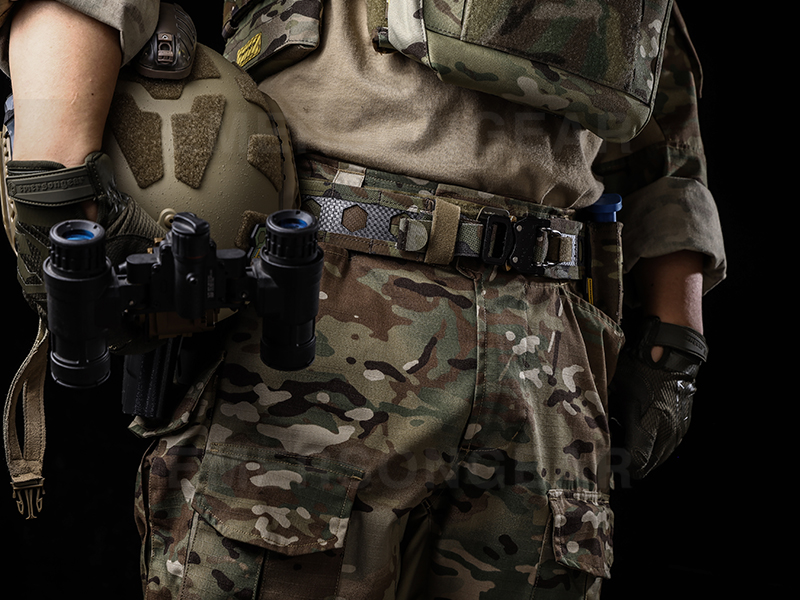
In the competitive landscape of tactical gear, quality management certifications play a crucial role in establishing brand credibility. For manufacturers like Emersongear, certifications such as ISO 9001 demonstrate a commitment to maintaining high standards in product quality and customer satisfaction. ISO 9001 is an internationally recognized standard that outlines the criteria for a quality management system. This certification ensures that a company consistently meets customer and regulatory requirements, ultimately enhancing trust among consumers.
By adhering to these quality management principles, brands can streamline their production processes, reduce waste, and improve overall efficiency. This not only leads to better products but also fosters a culture of continuous improvement within the organization. For customers, choosing a brand with ISO 9001 certification means investing in reliable, durable gear that has undergone rigorous quality checks.
In addition to quality certifications, patents and trademarks significantly contribute to a brand's credibility and reputation in the industry. Emersongear, for instance, holds several registered trademarks and patented designs that set its products apart from competitors. These intellectual property protections ensure that the unique features and innovations developed by the brand are safeguarded against imitation.
Patents can cover various aspects of a product, including design, functionality, and materials used. This not only enhances the brand's market position but also assures customers of the uniqueness and reliability of the products they are purchasing. By investing in patented designs, Emersongear demonstrates its commitment to innovation and quality, providing users with cutting-edge gear that meets their needs.
Certification/Patent | Description | Importance |
ISO 9001 | Quality management standard for consistent quality | Enhances customer trust and satisfaction |
Registered Trademarks | Protects brand identity and product features | Ensures uniqueness and brand recognition |
Patented Designs | Covers innovative features and functionalities | Safeguards against imitation and enhances credibility |
These certifications and protections not only reinforce the quality of Emersongear’s products but also instill confidence in customers. When investing in tactical, battle, gun, or duty belts, knowing that a brand adheres to high standards and holds relevant patents can greatly influence purchasing decisions. This focus on quality and innovation ensures that users receive gear that is both reliable and effective in meeting their specific needs.
In summary, tactical, battle, gun, and duty belts serve different purposes. Tactical belts are versatile for everyday carry. Battle belts are designed for high-intensity situations. Gun belts focus on concealed carry, while duty belts support law enforcement professionals.
We encourage you to assess your specific needs and choose the right belt for your activities. Feel free to share your experiences or ask questions in the comments below!


