
- All
- Product Name
- Product Keyword
- Product Model
- Product Summary
- Product Description
- Multi Field Search
 English
Views: 0 Author: Site Editor Publish Time: 2026-01-06 Origin: Site


Camouflage plays a crucial role in both hunting and military operations. But did you know that hunting camo and military camo serve different purposes? In this article, we’ll explore the key differences between hunting camo and military camo. Understanding these distinctions is essential for hunters and military personnel alike.
Camouflage is a technique used to blend in with the environment. Its primary purpose is to conceal individuals or objects from detection. In hunting, it helps hunters avoid being seen by animals. In military settings, it protects soldiers from enemy observation.
Historically, camouflage has evolved significantly. Early forms included simple color matching to the environment. Over time, more complex patterns were developed, like the disruptive designs used today. For instance, military camo has advanced to include digital patterns that confuse enemy targeting systems.
Type of Camouflage | Purpose | Historical Development |
Hunting Camo | Concealment from animals | Simple patterns to complex natural mimicry |
Military Camo | Protection from enemy sight | Evolved from basic colors to advanced digital patterns |
Camouflage plays a vital role in both hunting and military operations. For hunters, effective camouflage enhances their chances of success. By blending into natural surroundings, they can approach game without alarming them. This is crucial for hunting various species, where movement can easily give away a hunter's position.
● Enhanced Stealth: Blends seamlessly with foliage and terrain.
● Increased Success Rates: Allows for closer approaches to game.
● Reduced Detection: Minimizes movement visibility to animals.
In military contexts, camouflage is equally important. It enhances the effectiveness of operations by allowing troops to remain undetected. This can mean the difference between success and failure in missions. The psychological impact is significant; when soldiers are camouflaged, they feel more secure, and enemies may hesitate or misidentify targets.
● Increased Confidence: Soldiers feel more secure when camouflaged.
● Reduced Enemy Awareness: Camouflage can create doubt in enemy ranks.
● Enhanced Tactical Advantage: Effective concealment leads to strategic benefits.
Furthermore, animals have evolved to be sensitive to movement and contrast. For example, deer can detect slight changes in their environment. This sensitivity makes effective camouflage essential for hunters. Conversely, military personnel benefit from designs that disrupt their outlines, making them harder to spot.
● Visual Perception: Many game animals have limited color vision but are sensitive to motion.
● Behavioral Adaptations: Animals often react to slight disturbances in their surroundings.
In summary, understanding camouflage's definition and its importance helps both hunters and military personnel. As we delve deeper into the differences between hunting camo and military camo, it becomes clear how crucial these distinctions are for effectiveness in the field.
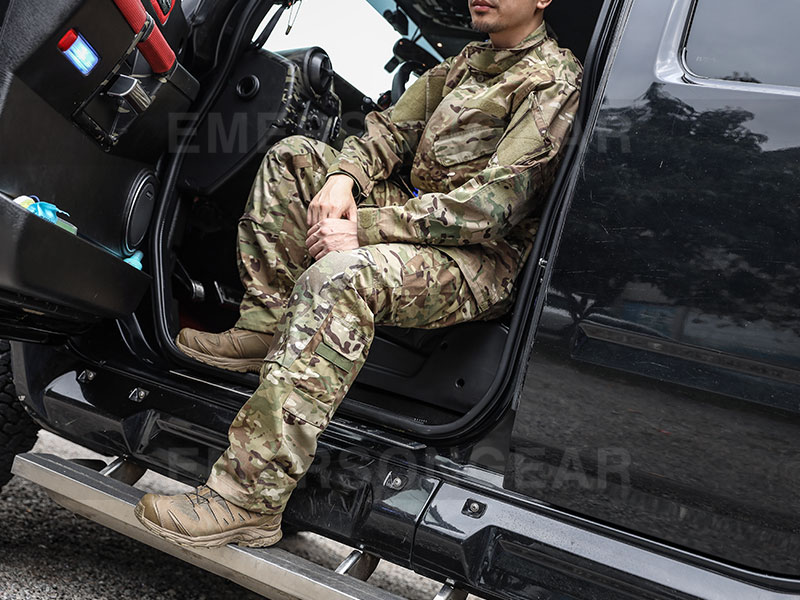
The primary goals of hunting camo and military camo differ significantly. Hunting camo focuses on mimicking natural environments. Its main purpose is to deceive animal eyesight, allowing hunters to blend seamlessly into their surroundings. This is essential for getting close to game without alarming them.
On the other hand, military camo aims to disrupt human silhouettes. It is specifically designed to avoid detection by enemies. By breaking up the outline of a soldier’s body, military camo helps personnel remain hidden in various combat situations. This difference in purpose directly influences the design and application of each type of camouflage.
When it comes to pattern styles, hunting camo features a variety of designs. Common styles include “stick-and-leaf” patterns and photo-realistic prints that replicate the look of foliage. These designs help hunters remain unnoticed in natural settings.
In contrast, military camo employs disruptive patterns, such as abstract shapes and MultiCam. These patterns are engineered for effectiveness across different terrains. For example, MultiCam adapts well to urban, desert, and woodland environments, making it a versatile choice for soldiers.
Camo Type | Common Patterns | Purpose |
Hunting Camo | Stick-and-leaf, photo-realistic | Blend into natural environments |
Military Camo | Abstract shapes, MultiCam | Disrupt human silhouettes to avoid detection |
Hunting camo is specialized for specific environments, like marshes or forests. Each design caters to the unique characteristics of these habitats, ensuring hunters can effectively conceal themselves. For instance, a camo pattern designed for a dense forest may not work well in open fields.
Conversely, military camo is created to be versatile and adaptable. It can function effectively in various terrains and climates. Whether soldiers are in urban areas, deserts, or jungles, military camo provides the necessary concealment. This adaptability is crucial for operational success in diverse environments.
The functionality of hunting camo is primarily suited for stationary use. Animals are highly sensitive to movement, so hunters must remain still to avoid detection. The design of hunting camo takes this into account, allowing hunters to blend in while waiting for their target.
In contrast, military camo is designed for movement across changing terrains. Soldiers need to navigate various landscapes while remaining concealed. Military camo emphasizes durability and flexibility, allowing troops to engage in dynamic operations without compromising their stealth.
Hunting camo often focuses on scent masking and silence. Many hunting garments are made from materials that minimize noise and odors, which is vital for not alerting game. However, hunting camo typically lacks infrared (IR) protection, which is less of a concern in hunting scenarios.
On the other hand, military camo frequently includes IR-treated fabrics. These materials help soldiers avoid detection by night vision devices used by enemies. This technical feature enhances tactical advantages in combat situations, making military camo a critical asset on the battlefield.
The way camouflage is perceived varies between animals and humans. Animals, like deer, have a limited color range and are sensitive to contrast. They rely more on movement detection than color, making effective camouflage essential for hunters.
Humans, however, possess sharp vision and can identify shapes and patterns easily. This difference in perception influences how camouflage is designed. For hunters, the aim is to blend in with the environment, while for military personnel, the goal is to disrupt their outline to remain undetected.
Perceiver | Sensitivity | Design Focus |
Animals | Limited color range, motion | Blend into natural environments |
Humans | Sharp vision, shape detection | Disrupt outlines to avoid detection |
Hunting camo is specifically designed for various outdoor environments. Knowing when to use it can significantly enhance your success. For example, deer hunting in forests is an ideal scenario. Here, hunters should choose patterns that mimic the natural foliage to blend seamlessly into the surroundings.
● Deer Hunting: Dense forests require camo that resembles tree bark and leaves.
● Turkey Hunting: Open fields benefit from patterns that match grass and wildflowers.
● Waterfowl Hunting: Marshy areas are best suited for camo that mimics reeds and water.
When selecting hunting gear, consider the specific environment and the behavior of the animals you’re targeting. For instance, using lightweight, breathable fabrics is essential for warmer climates, while insulated options are better for colder weather. Additionally, scent-masking technology can be a game changer, as many animals have a keen sense of smell.
Hunting Scenario | Recommended Camo Patterns | Key Gear Features |
Deer Hunting | Leafy and bark-like patterns | Breathable, scent-masking fabrics |
Turkey Hunting | Grass and flower patterns | Lightweight, quiet materials |
Waterfowl Hunting | Reed and water-like designs | Waterproof, insulated layers |
Military camo is tailored for tactical situations where concealment is crucial. Ideal scenarios include urban combat and reconnaissance missions. In urban settings, patterns that break up outlines against buildings and streets are essential. For reconnaissance, versatility in various terrains is key.
● Urban Combat: Camouflage should disrupt shapes against concrete and metal.
● Jungle Operations: Patterns must blend into dense vegetation and shadows.
● Desert Missions: Colors that mimic sand and rocky environments are critical.
Military personnel should choose gear based on their operational needs. Emersongear, known for its high-quality tactical apparel, offers a range of options suitable for various environments. Their designs often incorporate features like IR protection, moisture-wicking materials, and durable fabrics that withstand the rigors of combat.
Military Scenario | Recommended Camo Patterns | Key Gear Features |
Urban Combat | Disruptive, abstract patterns | IR-treated fabrics, breathable materials |
Jungle Operations | Green and brown tones | Lightweight, durable, moisture-wicking |
Desert Missions | Tan and light brown patterns | UV protection, heat-resistant materials |
By understanding the practical applications of hunting camo versus military camo, you can make informed choices for your specific needs. Whether in the field or on the battlefield, using the right camouflage can make all the difference in achieving success.
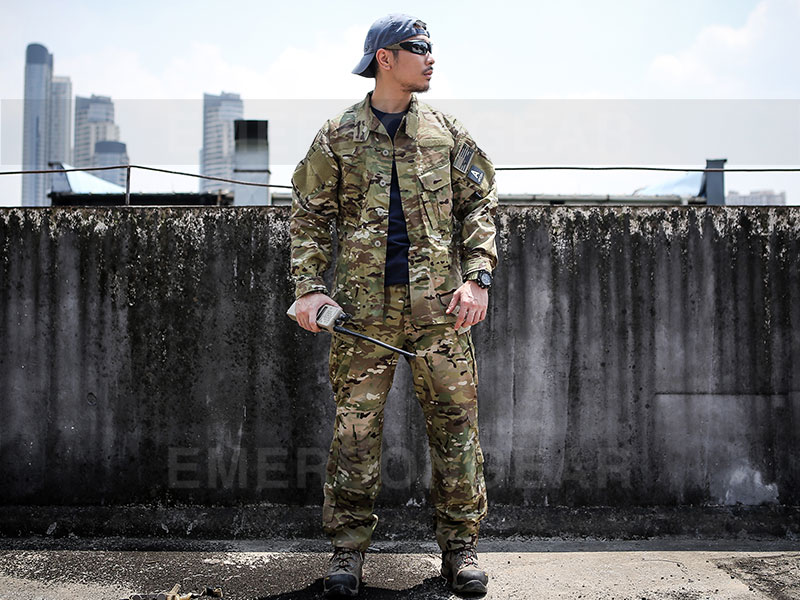
When selecting the right camouflage, several key factors come into play. Environment is perhaps the most critical aspect. You need to match the camo to specific habitats for either hunting or military use. For instance, if you're hunting in a dense forest, a pattern that mimics foliage is essential. Conversely, military personnel operating in urban environments should choose patterns that disrupt their outlines against concrete and metal.
● Forests: Leafy patterns for deer hunting.
● Fields: Grass-like designs for turkey hunting.
● Urban Areas: Disruptive patterns for military operations.
● Deserts: Tan and brown tones for camouflage in sandy terrains.
Activity level also plays a significant role in your choice. If you plan to be stationary, like a hunter waiting for game, you might prioritize stealth and silence in your camo. On the other hand, if you expect to be moving a lot, such as during military operations, look for features like breathability and durability. These attributes ensure comfort and performance in dynamic conditions.
Factor | Considerations | Recommendations |
Environment | Match camo to habitat | Choose leafy patterns for forests, disruptive patterns for urban areas |
Activity Level | Assess movement and usage | Opt for breathable materials for active use, quieter fabrics for stationary scenarios |
Emersongear offers a range of high-quality camo products tailored for both hunting and military use. Their commitment to functionality and durability makes them a popular choice among outdoor enthusiasts and military personnel alike.
● G2/G3 Military Tactical Uniforms: These uniforms are designed for versatility and effectiveness in diverse environments. They feature advanced camo patterns that break up the silhouette, making them ideal for various tactical situations.
● Hunting Gear: Emersongear also provides specialized hunting apparel that focuses on scent masking and comfort. These products are tailored to blend seamlessly into natural surroundings, enhancing the chances of success in the field.
Product Type | Key Features | Best Use |
G2/G3 Tactical Uniforms | Versatile, durable, IR-treated fabrics | Urban and varied terrain military operations |
Hunting Apparel | Scent-masking, quiet materials | Effective for hunting in various habitats |
By considering these factors and exploring Emersongear's offerings, you can make an informed decision about which camo best suits your needs. Whether for hunting or military applications, the right camouflage can enhance your effectiveness and comfort in the field.
In summary, hunting camo and military camo serve different purposes. Hunting camo focuses on blending into natural environments, while military camo disrupts human outlines to avoid detection.
Choosing the right camo is crucial for success in specific activities. Whether you're hunting or in a military operation, the right camouflage enhances effectiveness and comfort. Always consider your environment and activity level when making your selection.
A: Yes, military camo can be used for hunting, especially in environments that mimic urban settings. However, it may lack the natural patterns needed for effective concealment in dense forests or fields.
A: Hunting camo can provide some benefits, like blending into natural environments. However, it may not disrupt human silhouettes effectively, limiting its tactical applications.
A: Consider your environment, activity level, and specific requirements. Match the camo pattern to the habitat and ensure it suits your movement needs.
A: A common myth is that all camo is interchangeable. In reality, hunting and military camo serve distinct purposes, designed for different environments and activities.


